Introduction
Maintaining commercial and industrial facilities is essential for businesses operating in Saudi Arabia. Buildings depend on reliable electrical systems, HVAC equipment, plumbing infrastructure, mechanical assets, and cleaning services to support daily operations. When these systems are neglected, organizations may experience unexpected breakdowns, operational delays, safety concerns, and additional maintenance expenses.

Preventive maintenance is an effective approach to identifying potential problems before they develop into major failures. By following planned inspection schedules and maintaining equipment regularly, businesses can improve asset reliability and support uninterrupted facility operations.
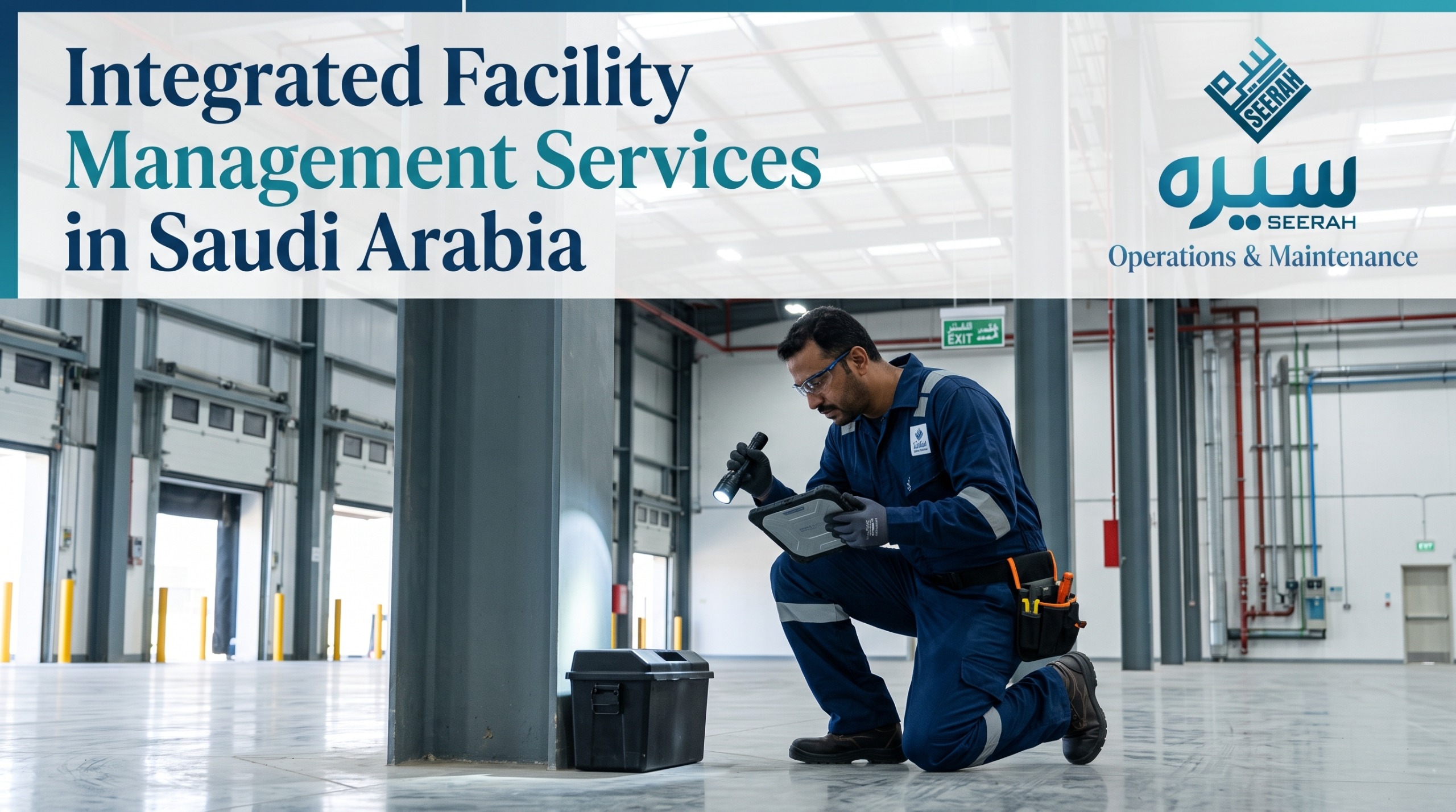
Seerah Company supports business operations through facility management, technical maintenance, and workforce solutions tailored to organizational requirements. A structured maintenance approach helps companies manage their facilities more effectively and maintain professional operating environments.
What Is Preventive Maintenance?
Preventive maintenance involves scheduled inspections, servicing, testing, and repairs intended to reduce the likelihood of equipment failure. Instead of waiting for a system to stop working, facility teams perform maintenance according to equipment requirements, manufacturer recommendations, operating conditions, and established maintenance plans.
Common preventive maintenance activities include:
- Inspecting HVAC equipment and air-conditioning systems.
- Checking electrical installations and distribution systems.
- Inspecting plumbing networks and identifying leaks.
- Servicing mechanical equipment.
- Checking pumps, motors, and related components.
- Inspecting building systems and documenting defects.
- Maintaining service records and equipment histories.
For commercial facilities, preventive maintenance provides a structured way to manage building assets and plan maintenance activities around business operations.
1. Reducing Unexpected Equipment Breakdowns
Unexpected equipment failures can disrupt business activities and require urgent repairs. An air-conditioning failure in a commercial office, for example, may affect workplace comfort, while an electrical or plumbing fault can interrupt essential services.
Regular inspections help maintenance teams identify signs of wear, unusual performance, and developing faults. Addressing these issues early may reduce the risk of major breakdowns.
Seerah Company understands the importance of maintaining building systems through planned technical services and facility management support. Businesses can work with their maintenance providers to establish schedules that reflect equipment criticality and operational priorities.
2. Improving HVAC System Performance
Heating, ventilation, and air-conditioning systems are essential for many commercial, hospitality, healthcare, and industrial facilities in Saudi Arabia’s climate.
Dust accumulation, clogged filters, refrigerant issues, and neglected components can affect system performance. Regular servicing helps identify maintenance needs and supports reliable operation.
Typical HVAC preventive maintenance activities include:
- Inspecting and cleaning filters according to system requirements.
- Checking coils and drainage systems.
- Inspecting electrical connections and controls.
- Checking refrigerant systems where applicable.
- Reviewing airflow and temperature performance.
- Inspecting motors, fans, and other components.
Seerah Operation & Maintenance supports facility maintenance requirements, including technical services that help businesses manage critical building systems. Maintenance activities should always be carried out by suitably qualified personnel following manufacturer guidance and applicable safety requirements.
3. Supporting Electrical Safety and Reliability
Electrical systems are among the most important components of commercial and industrial facilities. Poor maintenance can contribute to equipment damage, unexpected outages, and potential safety hazards.
A planned electrical maintenance program may include visual inspections, testing by qualified personnel, checking distribution boards, identifying damaged components, and documenting defects.
Businesses should also ensure that electrical work follows applicable Saudi regulations and relevant safety procedures.
Preventive maintenance does not eliminate every electrical risk, but systematic inspections and timely corrective work can help organizations identify problems and manage them responsibly.
4. Preventing Plumbing and Water System Problems
Plumbing failures can create significant disruption, particularly in offices, hotels, healthcare facilities, restaurants, and industrial premises.
Small leaks, blocked drainage lines, deteriorating fittings, and pump problems may develop into more serious issues when left unaddressed.
Regular inspections can help facility teams identify visible leaks, monitor water system performance, inspect pumps, and arrange timely repairs.
For large commercial facilities, maintenance teams should document recurring problems and identify the underlying causes instead of repeatedly treating the same symptoms.
Seerah Company supports business facility requirements through coordinated maintenance and operational services designed around the needs of each site.
5. Managing Maintenance Costs
Emergency repairs can require urgent labor, replacement components, and unplanned service interruptions. Although preventive maintenance requires scheduled resources, it can help organizations plan work and reduce avoidable emergency interventions.
Businesses can improve maintenance cost management by:
- Preparing an asset inventory.
- Identifying critical equipment.
- Creating equipment-specific maintenance schedules.
- Recording repair history and recurring faults.
- Monitoring spare parts and replacement requirements.
- Reviewing maintenance costs regularly.
Not every asset requires the same inspection frequency. Maintenance plans should reflect equipment condition, operational importance, manufacturer recommendations, and the consequences of failure.
Seerah Company encourages a structured approach to facility maintenance so businesses can better organize their service requirements and operational resources.
6. Extending the Useful Life of Building Assets
Commercial facilities contain valuable equipment and infrastructure, including air-conditioning units, electrical installations, pumps, motors, plumbing systems, and other mechanical assets.
Neglecting maintenance can accelerate wear and contribute to premature equipment failure. Appropriate inspections, cleaning, lubrication where required, adjustments, and timely repairs can help preserve asset condition.
Asset maintenance records are particularly useful because they allow facility managers to review service history, identify recurring faults, and make informed replacement decisions.
A consistent maintenance strategy helps businesses balance current maintenance costs with long-term asset management objectives.
7. Improving Workplace Conditions
Integrated Facility Management Services in Saudi Arabia affects more than equipment. It also contributes to the quality and reliability of the working environment.
Well-maintained ventilation, lighting, plumbing, and common areas help businesses provide suitable conditions for employees, contractors, and visitors.
Preventive maintenance should therefore be coordinated with cleaning schedules, building inspections, and other operational support activities.
Seerah Company provides workforce solutions and facility management support for businesses seeking to coordinate essential services within their premises.
8. The Role of Skilled Maintenance Personnel
A preventive maintenance plan depends on the people responsible for implementing it. Qualified technical personnel must understand the relevant equipment, follow inspection procedures, record findings, and report faults accurately.
Businesses should ensure that maintenance responsibilities are clearly assigned and that personnel receive appropriate training for their tasks.
Depending on the facility and contract, workforce requirements may include HVAC technicians, electricians, plumbers, mechanical maintenance personnel, and general facility support staff.
Seerah Company | Workforce Solutions & Facility Management supports businesses seeking coordinated workforce and facility services in Saudi Arabia. Effective workforce planning can help organizations align maintenance activities with their operational requirements.
9. Using Technology to Track Maintenance Activities
Digital tools can improve the organization of preventive maintenance. Depending on the system used, facility management software can help teams schedule inspections, assign work orders, maintain asset records, and monitor completed tasks.
Useful maintenance records may include:
- Asset identification and location.
- Inspection dates and findings.
- Scheduled maintenance tasks.
- Open and completed work orders.
- Replacement parts and repair history.
- Recurring equipment faults.
- Maintenance performance indicators.
These records help facility managers understand asset condition and identify areas requiring additional attention.
Businesses can begin with a structured maintenance register and gradually introduce digital tools as operational requirements develop.
10. Preventive Maintenance for Different Business Sectors
Maintenance requirements vary by industry and facility type.
Commercial offices: Regular HVAC servicing, electrical inspections, plumbing maintenance, and common-area upkeep.
Industrial facilities: Equipment inspections, mechanical maintenance, and carefully coordinated technical work.
Hotels and hospitality: Building system maintenance, guest-area readiness, plumbing reliability, and cleaning coordination.
Healthcare facilities: Maintenance planned around operational continuity, hygiene requirements, and applicable healthcare standards.
Retail and commercial centers: Reliable air-conditioning, lighting, electrical systems, and scheduled maintenance that minimizes disruption to customers and tenants.
Educational institutions: Planned inspections, building maintenance, cleaning coordination, and appropriate support for daily campus operations.
Seerah Company supports businesses across relevant sectors with facility management and workforce solutions designed to address their operational needs.
11. How to Build an Effective Preventive Maintenance Plan
Organizations can develop a practical preventive maintenance program through a series of structured steps.
Step 1: Inspect the Facility
Review the building’s systems, equipment, condition, and existing maintenance records.
Step 2: Create an Asset Register
Record equipment details, locations, service history, and relevant manufacturer instructions.
Step 3: Prioritize Critical Equipment
Identify assets whose failure could significantly affect safety, business continuity, or essential operations.
Step 4: Establish Maintenance Schedules
Define inspection and servicing frequencies based on equipment requirements, operating conditions, and applicable regulations.
Step 5: Assign Responsibilities
Ensure that staff and contractors understand their maintenance duties, reporting requirements, and escalation procedures.
Step 6: Document Findings
Record inspections, identified defects, completed tasks, and recommended corrective work.
Step 7: Review Performance
Monitor breakdown frequency, maintenance completion, recurring faults, and relevant operational costs. Use these results to improve the plan over time.
With clear responsibilities and consistent documentation, businesses can manage preventive maintenance more systematically.
Why Choose Seerah Company for Facility Management Support?
Selecting a facility management partner requires an understanding of the organization’s technical requirements, workforce needs, and operating environment.
Seerah Company provides facility management and workforce solutions for businesses seeking coordinated support for their facilities. Depending on the agreed service scope, relevant requirements may include technical maintenance, HVAC support, cleaning, and manpower services.
Businesses should discuss their facility size, equipment inventory, maintenance priorities, operating hours, and service expectations when evaluating a suitable maintenance arrangement.
To learn more about Seerah Company’s services, visit the official website: https://seerah.sa.
Conclusion
Preventive maintenance is an important part of effective facility management in Saudi Arabia. By scheduling inspections, maintaining building systems, documenting faults, and assigning qualified personnel, businesses can improve maintenance planning and support reliable facility operations.
A structured approach can help organizations reduce avoidable disruptions, manage maintenance costs, and protect the useful life of important assets.
Seerah Company supports business operations through facility management, technical maintenance, and workforce solutions. With suitable maintenance planning and coordinated service delivery, organizations can build a stronger foundation for efficient facility operations.