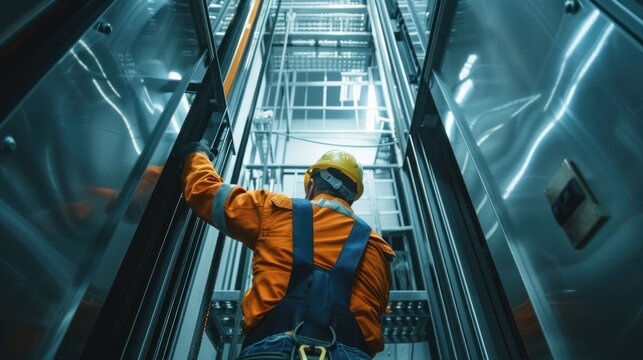
The residential elevator is a convenient solution for accessing floors of modern homes, along with easy access between floors. These systems, however, are complex and will need regular attention as they have mechanical and electrical parts. Regular checks enable homeowners to keep track of the elevator’s performance and discover any potential issues. A professional maintenance check examines critical components, safety systems, and functions to ensure the system’s reliability during its service life.
Trained technicians conduct a thorough inspection of various elevator parts and components during a scheduled service visit and assess their condition. The primary responsibility of residential elevator maintenance includes inspections of systems used by elevators, such as doors, controls, motors and sensors, as well as emergency features. This knowledge enables homeowners to be aware of what is being done and why regular servicing is crucial to ensuring consistent and safe elevator operation.
Why Professional Elevator Maintenance Checks Matter for Homeowners
Maintaining Safe Elevator Operation
The primary concern for any residential elevator system is safety. When performed by professionals, maintenance checks enable the assessment of safety parts and functioning situations. These inspections help to detect problems that could compromise passengers’ safety.
The technician checks emergency systems, door functions, braking and control operations. All components need to function properly on a regular basis. A minor problem in one component can cause a system-wide problem.
The regular inspections also provide a sense of security to the homeowners about the condition of their elevator. There are established procedures for the professional technicians to assess the performance. During each visit, they have knowledge and specific equipment.
Detecting Early Signs of Component Wear
The parts of the elevator are subjected to periodic load and motion. Over time, cables, motors and sensors, as well as mechanical components, wear away. These changes can be detected early by the technicians, and they can help to prevent major issues.
In the course of inspection, professionals will assess the sound that might be inconsistent, movement that’s not consistent and any damage that’s visible. They evaluate the operation of components and make comparisons with expected operating conditions.
Older techs are knowledgeable about the use of various elevator systems over time. They are able to give important information about the condition of the equipment and service needs of the future.
Meeting Manufacturer and Safety Requirements
Residential elevators should be installed with caution and in accordance with a certain safety and maintenance standard. Manufacturers make recommendations for the system design and operating requirements. These guidelines are followed by professional technicians in inspection procedures.
Elevator maintenance is another key aspect of elevator ownership. Previous services, repairs and conditions of components are detailed and tracked. Technicians can use these records during their subsequent visits to the elevator to gain insight into the elevator’s history.
When the elevator is serviced according to the recommendations provided, it meets expectations of safety. Responsible ownership/good upkeep of equipment is also shown.
What Technicians Check During Residential Elevator Maintenance Visits
Elevator Door and Safety Sensor Inspection
Elevator doors have multiple safety devices which need to be inspected regularly. During maintenance visits, technicians analyze the movement, alignment and closing speed of doors.
A particular emphasis is placed on safety sensors, which ensure safe operation of doors. Technicians check sensor reactions and ensure communication between sensors and the control system.
Some common issues with the door include slow closing, odd movements and sensor failures. These problems are best identified early so they will not interrupt elevator operation or cause it to become unsafe.
Examining Cables, Pulleys, and Drive Components
Elevators are moved up and down by cables and pulleys. These parts are constantly stressed when performing their normal function. Technicians check their condition, alignment and overall performance.
Inspection covers wear, abnormal movement and decreased efficiency. Damaged or worn parts can impact upon ride quality and reliability.
Careful consideration is also given to the evaluation of components used for drives. Technicians check the operation of these parts and note if they have any unusual operating characteristics.
Checking Motor and Control Systems
Powering to move elevators is provided by the motor. Technicians check the operating condition of the motor and motor performance during maintenance visits.
The detailed treatment of control systems is also covered. These systems control the elevator commands, floor selection and elevator safety. Technology of testing control panels, wiring connections and electronic components.
There are various ways the elevator performance can be impacted by electrical problems. A detailed assessment can identify issue(s) in the control system before they affect the normal operation of the system.
Testing Emergency Systems and Safety Features
In an emergency, passengers are safeguarded by emergency features. Alarms, back-up systems and safety devices are all tested during maintenance inspections.
Care is taken in evaluating the emergency stop function. Technicians determine that the safety controls operate appropriately when necessary.
Back-up power systems need to be inspected. In the event of power outages, these systems give extra reliability. If emergency features are to be used, they will be ready as a result of proper testing.
Step-by-Step Process of a Professional Elevator Maintenance Check
Initial System Assessment
A maintenance visit typically starts by having a general review of the system. Technicians listen to the concerns that the homeowner may present and review the customer’s history of service.
They analyze elevator usage, history of repairs and current performance. This information should be taken into account prior to the physical inspection.
The first evaluation provides technicians with an opportunity to concentrate on parts that might warrant more in-depth inspection. Provides a clear beginning for the maintenance process.
Detailed Mechanical and Electrical Inspection
After the initial review, the technicians examine large elevator parts. They inspect mechanical components, electrical connections and safety systems.
The inspection covers:
- Elevator doors and sensors
- Motors and drive systems
- Cables and pulleys
- Control panels
- Safety devices
- Emergency functions
Individual attention is made to each component. Performance, condition & alignment checked with safety requirements.
A detailed inspection offers the correct information about the health of the elevator. It also enables professionals to detect and address any arising issues before they become a threat to a business’s daily activities.
Performance Testing and Final Evaluation
The last step is the performance test of the elevator. Technicians perform ride quality, stopping accuracy, door operation and movement between floor tests.
They monitor the behaviour of the system under normal use conditions. Any unusual behaviour is further evaluated.
Technicians document the service after the test. Reports will often contain the results of the inspection and recommendations for what needs repairs and maintenance in the future. s.
Common Problems Identified During Home Elevator Maintenance
Door Operation Issues
A common elevator issue is door issues. The performance of doors can be impacted by a number of factors, including misalignment, sensor issues, and damaged parts.
During service visits technicians will check door tracks, sensors and operating mechanisms. They determine if changes or part replacements will be needed.
The proper operation of doors remains critical for the safety of passengers. Problems are identified with regular inspections before they prevent the use of the elevator.
Unusual Sounds and Movement Problems
Elevators should provide smooth and quiet operation. Mechanical problems may manifest in grinding noises, vibrations, or abnormal movements.
Technicians inspect these symptoms through motor, rail, bearing and drive inspections. They decide if it’s normal wear or a developing fault.
Homeowners can prevent issues from getting more serious mechanical problems by identifying movement issues early.
Electrical and Control System Faults
There are a number of elevator functions that can be impacted by electrical issues. There may be a problem with the wiring, a failure in the sensors, or a failure in the control system that stop the operation from going as normal.
Inspection of electrical connections and examination of the system response is carried out by technicians. They use diagnostic methods to locate the source of performance issues.
A professional assessment can help to make sure that electrical issues are addressed. This is to ensure that the elevator continues to function properly and to minimize the chances of service interruptions.
How Often Should Residential Elevator Maintenance Be Scheduled?
Factors That Influence Maintenance Frequency
Maintenance schedules are based on various considerations of the use of the elevator and the condition of the system. If a home elevator is used several times daily, it might be necessary to inspect it more often than if it is used infrequently.
Elevator type also has an impact on services required. The components and way of operation are different in hydraulic and traction systems. The differences are taken into account by techs when planning maintenance intervals.
The age of the elevator is also important. Older systems might need more frequent inspection as parts wear out as time goes on. Periodic inspections enable technicians to monitor evolving situations and ensure optimal operation.
Elevators may also be influenced by environmental conditions. Some components may be affected by dust, humidity and temperature fluctuations. The following parameters are taken into account by the professional technicians while planning the maintenance.
Recommended Maintenance Intervals
Manufacturers typically give maintenance suggestions, which are dependent on the design and use of the elevator. Inspections are consistent and organised when following these schedules.
Most residential elevator owners have their systems professionally inspected a few times a year. But the rate will vary according to the equipment model, operating conditions and service history.
By using a planned maintenance schedule, technicians can keep an eye on important components on a regular basis. It also establishes a history of inspections, repairs and system evaluations.
Regular servicing is important to know the condition of the lift. Technicians can detect patterns and make appropriate service steps based on the actual performance of the equipment.
Signs That Indicate an Additional Inspection Is Needed
There are still some situations that need to be taken into consideration, and regular schedules are still very essential. Elevator changes should lead homeowners to consider an inspection.
Common signs include:
- Unusual operating sounds
- Slow movement between floors
- Door closing problems
- Frequent system stops
- Error messages on control panels
- Changes in ride smoothness
These signs can be mechanical or electrical problems. A professional home elevator inspection will be able to locate the problem and what steps need to be taken to provide service.
Benefits of Working With Professional Elevator Maintenance Technicians
Access to Specialized Knowledge and Equipment
There are high-tech systems in residential elevators that require technical knowledge. Professional technicians are trained to review various elevator designs and parts.
They know how motors, controls, sensors and safety devices work together. This knowledge enables them to make the right assessment of the system’s performance.
During maintenance visits, technical staff will use special tools as well. These tools offer precise measurements and help in a detailed evaluation of the system.
The anticipated concerns that may not be noticed in the regular observation may be identified through professional experience. Experienced technicians identify issues and performance changes early.
Accurate Documentation and Service Records
Elevator records are informative when it comes to maintenance. Inspections, repairs and component evaluations are recorded by professional technicians during a service call.
These records assist in tracking changes over time. The consumers and the technicians can read past results and know about common issues.
It also helps plan future maintenance activities with detailed documentation. It offers a specific idea of the elevator’s condition and service needs.
Good service records are indicative of good ownership. They also help to provide valuable insights for future homeowner repair and upgrades.
Long-Term Elevator Reliability Considerations
Regular maintenance is crucial to the reliability of an elevator. Regular checks enable technicians to keep an eye on system performance and detect emerging issues.
Professional servicing involves proper operations of various elevator parts. The technician examines the entire system rather than single components.
An elevator can only be reliable when mechanical and electrical considerations are taken into account. Frequent inspections provide a system of equipment maintenance.
Those who do keep up with the maintenance schedules at home typically have fewer unexpected interruptions. The care and maintenance of an elevator are important factors when it comes to long-term ownership.
Factors That Influence Residential Elevator Maintenance Costs
Elevator Type and System Design
The design of the elevator will impact maintenance and service costs. The mechanical structure and operational modes can vary among different systems.
There are unique parts used in hydraulic elevators, traction elevators, and other residential elevators. Specific inspection procedures and technical knowledge are to be used for each design.
Cost may also be affected by the availability of replacement parts. There are certain models of elevators that need to have certain parts that have to be manufactured or supplied by the technician.
It’s a good idea to know the type of elevator you have in your home so that you can have realistic expectations for the maintenance. Professional technicians can give the service requirements based on the installed system.
Elevator Age and Component Condition
Elevators are a vital component of any building, and their maintenance requirements will vary with their age. Longer running time in older systems can lead to increased component wear.
Parts are insured for important parts, and their condition is assessed. They inspect motors, controls, cables, sensors and safety devices.
A properly maintained elevator with good parts can need less repair than if it were poorly maintained. Monitoring will be carried out on a regular basis and will give information on the current condition of the equipment.
The maintenance requirements are dependent on the condition of the system and not just on the age. A detailed evaluation will give a greater understanding of potential service needs.
Service Frequency and Required Repairs
The frequency of services and the need for repairs will also affect maintenance costs. Typical visits will include inspections and routine adjustments.
Failing systems, however, may need more repairs because of the wear and tear. The sooner small issues are dealt with, the better the likelihood that future service needs will not be extensive.
Based on inspection findings, technicians offer recommendations. The following suggestions assist homeowners to recognize the repairs they must complete and future maintenance plans to take into account.
Regardless of the service approach, a consistent method holds care of the elevator in order. It also enables homeowners to control the maintenance cost more effectively.
Choosing the Right Residential Elevator Maintenance Service Provider
Checking Experience and Certifications
Homeowners should take the time to select a service provider that has experience. Specialized knowledge and technical skills are needed for elevator systems.
Owners should check the company’s experience, the qualifications of the technicians and industry certifications. These are factors that reflect professional competence and technological knowledge.
An expert elevator team can assess various elevator systems and identify typical performance issues. Their expertise helps to ensure accurate inspections and reliable services.
Background is also a sign of a company’s dedication to quality. Residential elevator companies are not all created equal, so homeowners need to choose companies that have a history of building elevators in homes.
Reviewing Safety Practices and Service Standards
Safety should be of paramount concern when choosing a maintenance company. During inspections and services, qualified companies are using the established procedures.
A professional provider has knowledge and appreciation of manufacturer recommendations and industry requirements. They have appropriate records and use systematic approaches to inspection.
It is important to have homeowners pick companies that are dedicated to safety and transparency. The importance of communicating findings and service recommendations helps establish trust.
Professionalism is shown in strong safety practices. They also give homeowners peace of mind in terms of the quality of maintenance services.
Asking Important Questions Before Scheduling Service
Homeowners should ask questions before hiring a technician about the process of how the service is going to be carried out.
Useful questions include:
- How much experience do your technicians have?
- What elevator systems do you service?
- What does your inspection process include?
- Do you provide maintenance reports?
- How often should my elevator receive service?
The following questions are helpful for homeowners to help them understand the provider’s experience and services. They also make it easier to compare various companies.
The maintenance provider is reliable and explains procedures clearly and gives detailed information. Good communication results in improved service experience.
Conclusion
Professional elevator inspections include comprehensive checks of mechanical systems, electrical systems, safety devices, and operating controls. Each area is carefully assessed by trained technicians to ensure reliable operation. By getting regular servicing, homeowners can keep track of the elevator’s condition and deal with problems early on. A structured inspection process can give useful information regarding the performance of the system and future needs. Maintaining home elevators in a safe and steady manner requires the skilled professional to undertake the maintenance work at home, at a time that fits the homeowner’s schedule. The maintenance practices also provide a history of services and promote responsible ownership of elevators.
FAQs
What is involved in residential elevator maintenance inspections?
A professional check is a comprehensive assessment of doors, sensors, motors, cables, controls, safety systems and emergency features. Each part is checked to ensure it is working and functioning correctly and to see if there are any issues.
What is the time duration of a house elevator repair?
Time will vary depending on the type of elevator, condition of the system, and need for inspection. When technicians know more work needs to be done, a detailed check may take longer.
What is the frequency of homeowners’ elevator maintenance?
The frequency of maintenance varies with the use of elevators, their age and their manufacturer’s recommendations. For many homeowners, they will arrange for periodic inspections during the year to be able to monitor the condition of the system.
Why hire professional elevator technicians?
Professional technicians are qualified in complex elevator systems with specialized equipment. They are knowledgeable about the safety requirements and are able to conduct accurate inspections according to industry standards.

Leave a Reply